As we approach the end of another year, we wanted to take a moment and send season’s greetings from all of us. Wishing you and your loved ones a Merry Christmas and all the best in the coming year.
Season’s Greetings from PCM


As we approach the end of another year, we wanted to take a moment and send season’s greetings from all of us. Wishing you and your loved ones a Merry Christmas and all the best in the coming year.
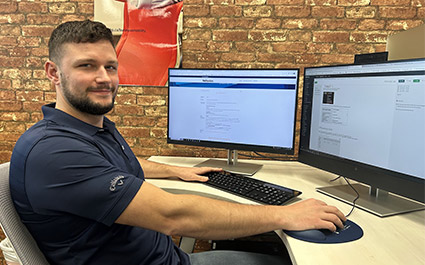
Eddie Jakupovic joined our team in September to increase the number of Help Desk technicians we have on staff. Eddie comes to us with a fair bit of industry experience, most recently working for a family business as an IT Technical Specialist. He also holds a Mohawk College Computer Systems Technician diploma which is a program a number of us have gone through.
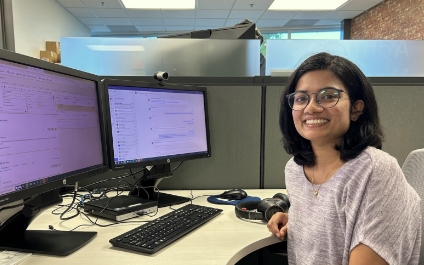
Roopa Johny joined our team in September to increase the number of Help Desk technicians we have on staff. A few years ago, she graduated from Georgian College from their Computer System Technician/Networking program. After that Roopa gained a couple years of experience as a help desk technician at a larger accounting firm.
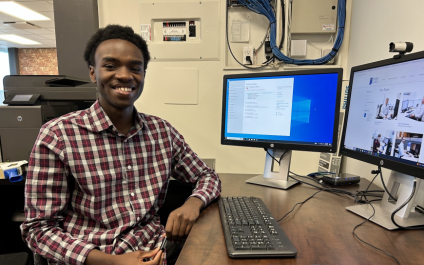
Salvator Muhire has been with us a few months as a Help Desk Technician. Salvator comes to us through the Mohawk College co-op program where he is completing the Computer Systems Technology - Network Engineering & Security Analyst program. Salvator is working with us for an 8-month term, after which he will return to school to complete his final year.

As we approach the end of another year, we wanted to take a moment and send season’s greetings from all of us. Wishing you and your loved ones a Merry Christmas and all the best in the coming year.
Ed & Henrietta VanderLaan, Adrian VanderLaan and staff:
Maurice Brink, Gary Halbig, Joel Harsevoort, Tanya Jerome, Mark Kottelenberg, Mickael Moco, Tina Morris, Scott Ritchie, Mike Tigchelaar, Joshua Shurvell, David Vanden Ende, Alvar Vandenbeukel, and Dave VanderMeulen.
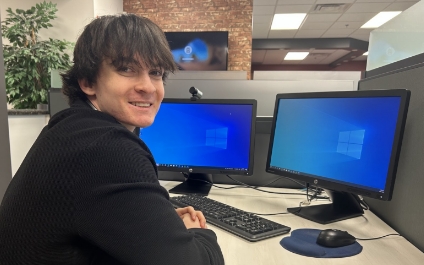
Joshua Shurvell has recently joined our company as a Help Desk Technician. Josh comes to us through the Mohawk College co-op program where he is completing the Computer Systems Technology – Network Engineering & Security Analyst program. Josh is working with us for the fall term, after which he will return to school to complete his final year.

We know that keeping your computer operating system and installed software up to date is an important step in the security and protection of your system. Likewise, your Mobile device needs regular updates to fix security vulnerabilities and protect your data.

As we approach the end of another year, we wanted to take a moment and send season’s greetings from all of us. Wishing you and your loved ones a Merry Christmas and all the best in the coming year.
Ed & Henrietta VanderLaan, Adrian VanderLaan and staff:
Maurice Brink, Gary Halbig, Joel Harsevoort, Mark Kottelenberg, Mickael Moco, Tina Morris, Scott Ritchie, Mike Tigchelaar, Alvar Vandenbeukel, David VanderMeulen and Allen Zwicker.
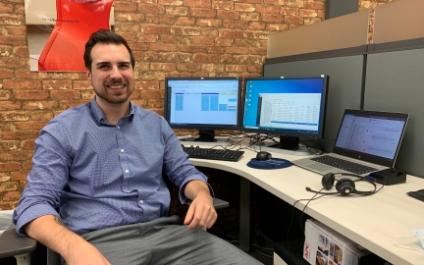
Scott Ritchie joined our team in October to increase the number of Help Desk technicians we have on staff. Scott graduated from Sheridan College earlier this year from their Software Development & Network Engineering program. While at Sheridan he also worked part-time in their Technology department supporting staff and students with their technology related issues both in person and remotely.
We are excited to announce that in February 2021 we successfully completed the CyberSecure Canada certification. This is a new certification program created by the Canadian Federal government and is Canada’s only cyber certification program. Canada’s cybersecurity certification program helps small and medium-sized organizations implement certification requirements so they can protect themselves against cyber attacks to protect their business, their clients and partners.